KS3
Electromagnetism
Electromagnetism is a form of magnetism using a current of electricity.
It has many uses including MRI machines, motors and generators. Find out more below.
Magnetic poles, attraction and repulsion
Magnetism is a non contact force. Most materials are non-magnetic, but metals such as iron, nickel, cobalt are magnetic. Steel is a mixture of carbon and iron, therefore making it magnetic as well.
Bar magnets
We can make permanent magnets which means they cannot be turned off. An example of this is a bar magnet. A bar magnet has a north and south pole.

Non-magnetic metals
Copper is non-magnetic but will interact with magnets which helps produce electricity. Below are some other metals that are non-magnetic.
Can you think of a use for the following metals?
Tap on each metal to find out a use.
Hover over the image to get answers.
Aluminium
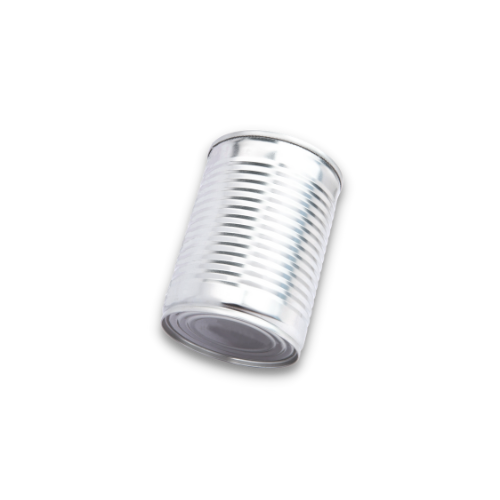
Cans, kitchen foil, airplanes and spacecrafts
Gold
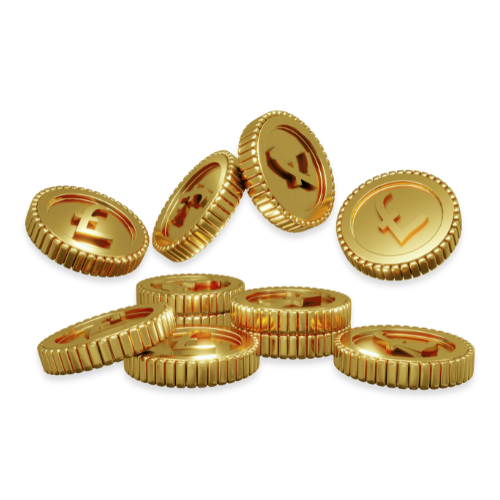
Jewellery, circuitry, dentistry and coins
Silver
Jewellery, cutlery, engine bearings and medicine
Magnetic fields
A magnetic field is created around any magnet. This magnetic field applies a force on all magnetic materials. When the poles are the same (e.g North-North) they repel each other. When the poles are opposite (e.g South-North) they attract.
Magnetic field
We draw field to represent the magnetic field. They go towards the south pole and away from the north pole, we draw arrows on the lines to show this.
Field lines
We also use field lines to help model what happens during attraction and repulsion of magnets as we cannot see the forces acting.
Magnets
If using 2 or more magnets they can either attract to one another or repel. This depends on what poles of the magnets are facing each other.
Attraction
Repulsion
Compass & navigation
Planet Earth has its own magnetic field.
Earth has a south pole and a north pole. The north pole has a true north and a magnetic north.
Magnetic poles
True north is a fixed position also called the geographic north.
Magnetic north changes all the time and is dependent on the earth's magnetic core and has no fixed position. This is the same for the south pole.
The magnetic north pole acts like the south pole of a bar magnet and visa versa for the south pole.
Direction
A compass is designed to show what direction of the magnetic field. If the south pole end of a bar magnet is held near a compass the north pole of the compass needle moves towards it.
Electromagnets
When current flows through a wire, a weak magnetic field gets created. Magnetic field lines are circular and get closer when looking at a current-carrying wire. When the magnetic field lines get closer, it shows an increase in strength.
Solenoids get formed when a coil of current-carrying wire has many turns. A bar magnet has the same magnetic field as a solenoid. An electromagnet gets created when the strength of the magnetic field is strong enough to be advantageous.
Many uses
Electromagnets have an iron core through the middle of the solenoid (current-carrying coil of wire). Electromagnets get used for many things, such as MRI machines, induction cookers, and generators.
How can you make an electromagnet stronger?
There are three ways to make an electromagnet stronger.

Iron core
The addition of an iron core will increase magnetism due to iron being magnetically soft.
Iron is magnetically soft because it can be magnetized and demagnetized with ease.

Additional turns
The second way to increase the magnetism of the electromagnet is to add additional turns in the solenoid. The strength of the electromagnet is directly affected by the number of turns. By doubling the number of turns, it doubles the magnetism of the electromagnet.

Batteries
The third way to increase the magnetism is to add additional batteries. When we add batteries, we increase the current and the magnetic field.
D.C.Motors
Magnets can attract or repel each other depending on which poles are closest. When looking at current-carrying wires and permanent magnets, we know a magnetic field surrounds them. When placed near each other, they apply force on each other.
The motor effect gets caused by the permanent magnet making the wire move, which causes the coil to turn.
Speakers
The loudspeaker uses an electromagnet (motor effect) to cause air to vibrate and sound waves to travel to your ears.
These vibrations are caused by the current in a coil changing direction repeatedly, pushing the cone back and forth. The sound waves produced depend on the electrical signal provided.
Microphones
A microphone has a current-carrying wire near a permanent magnet. The coil of wire is attached to a diaphragm which vibrates when incoming sound comes into contact with it.
When the diaphragm vibrates, the current-carrying wire moves closer to the permanent magnet causing an electrical output. This effect is the polar opposite of the motor effect.