Skip to content

KS3

Acids & Bases

Acids and bases are found across most of the chemicals we use in chemistry. 

Let’s find out about their hazards and tests we can use to discover if were working with and acid or base. 

Acids and bases

Acids and alkalis can be in a concentrated or diluted form.

A concentrated acid or alkali gets mixed with minimal water. Most concentrated acids are corrosive.

A diluted acid or alkali gets mixed with lots of water.

acids and bases corrosive hazard sign

Most diluted acids or alkalis are deemed as irritants but can be corrosive if minimal water is used.

Concentrated hydrochloric acid in a flask

HCl

Hydrochloric acid has a pH level of 0-2.

It's used in the production of batteries, electroplating metals and for swimming pool safety.

Hydrochloric acid is found in your stomach and helps to break down food and destroy pathogens.

Pineapple

Pineapple

A pineapple has a pH level of between 3.2-4.

Did you know when you eat a pineapple, the pineapple eats you back?

The enzyme bromelain found in pineapples breaks down the proteins in your mouth, sometimes causing a tingle sensation.

Sliced oranges

Vitamin C

Vitamin C has a pH level of between 2.6–3.2. 

Vitamin C is also known as ascorbic acid. It is vital for tissue repair and growth.

Did you know mixing a crushed vitamin C tablet with shampoo will safely and gently lighten your hair?

Beetroot

Beetroot

Beetroot has a pH level of
5.30-6.60.

Albert Einstein famously hated beetroots!

Did you know that if your body cannot break the pigment of beetroot down, it causes beeturia, also known as pink or red urine!

Acid or Base

Most chemicals are either an acid or a base. There are also neutral chemicals.

Bases

Bases are insoluble and cannot be alkalis. They have a sub category called alkalis.

Alkalis

Alkalis are soluble bases. Most concentrated alkalis are corrosive and get diluted with minimal water.

acids and bases harmful to wildlife and environment hazard sign

Hazard Safety

When identifying the risk of a hazard, a risk assessment gets completed. These safety precautions get followed, and we use hazard symbols to identify them. 

Hazard symbols help to tell us what safety precautions we should take around certain chemicals or machinery.

Hazard symbols vary from country to country, and not all countries are as strict with health and safety as the UK is.

Hazard Symbols

Hazards symbols get used throughout the world for many different reasons.

When working in the industry, we must complete risk assessments. Risk assessments get completed for everything, for example, machinery, manual handling, chemical handling, and working at heights.

A hazard is something that causes harm. A risk is the likelihood that a hazard will cause harm.

Do you know your hazard symbols?

Test your knowledge

Biohazard hazard sign

Biohazard

Radioactive hazard sign

Radioactive

Corrosive hazard sign

Corrosive

Compressed gas hazard sign

Compressed Gas

Explosive hazard sign

Explosive

Hazardous to the environment hazard sign

Hazardous to Enviroment and Aquatic Life

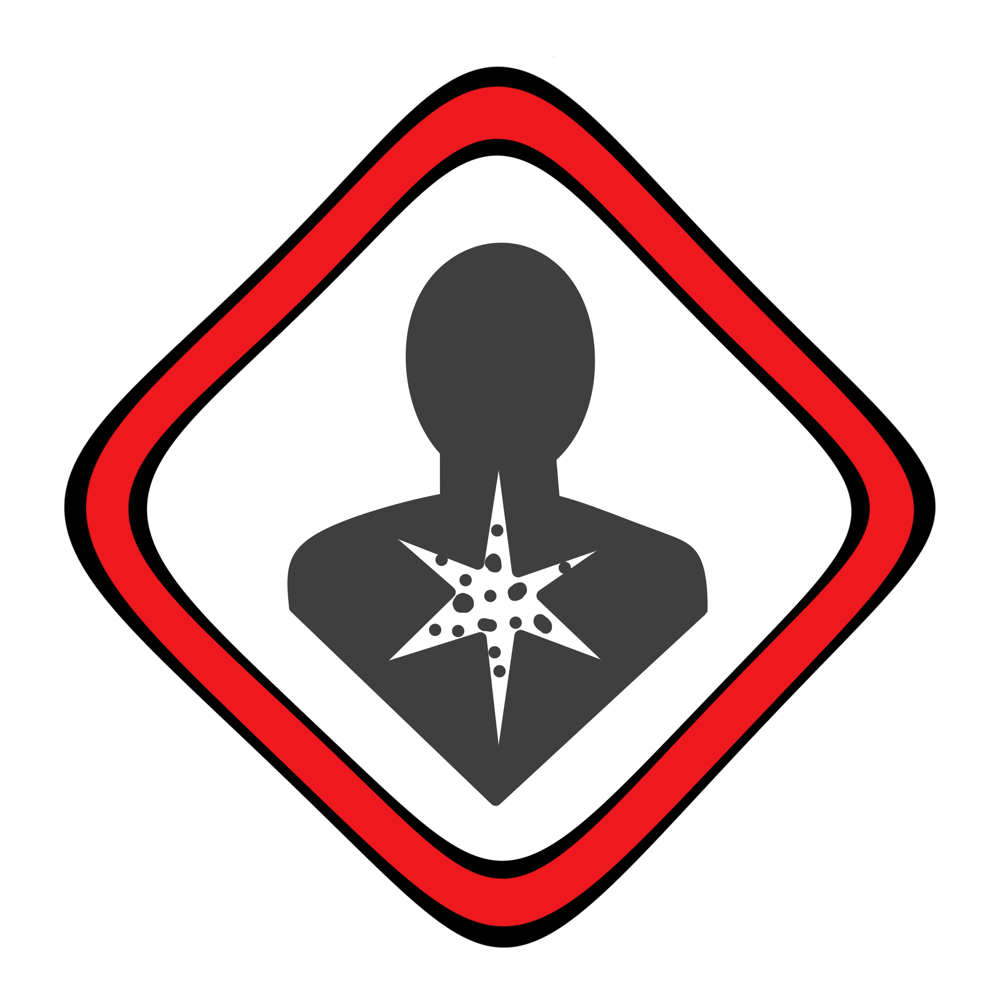
Severe health hazard sign

Severely Hazardous to Health / Carcinogenic

Toxic hazard sign

Toxic

Oxidising hazard sign

Oxidising

Health hazard sign

Hazardous

Flammable hazard sign

Flammable

PH0

PH1

PH2

PH3

PH4

PH5

PH6

PH7

The pH Scale

The pH scale shows how strong or weak acids and bases are.

The pH scale ranges from 0-14. Neutral substances have a pH of 7.

Acids have a pH of less than seven, decreasing to pH 0. The further down the scale an acid gets (towards pH 0), the stronger the acid is.

The pH Scale

Alkalis/ bases have a pH greater than seven, increasing to pH 14.

The further up the scale an alkali/base gets (towards pH 14), the stronger the alkali/base is.

The closer a substance is to the pH 7, the weaker the acid/base is.

ph scale diagram

Indicators

Indicators are added to different substances to show how acidic/alkaline or neutral a substance is. There are many indicators which react differently but give similar results. Some indicators are more accurate than others.

litmus paper in a beaker illustration

Indicators

A universal indicator shows the entire pH scale of 0-14. Red, orange and yellow are acidic (pH 0-6). Green is neutral (pH 7). Blue and purple are alkaline (pH 8-14). Litmus paper can only show if a substance is acidic or alkaline. There is a neutral litmus paper that gets rarely used as UI paper is preferred.

ph meter blue illustration

Indicators

A pH probe/meter is an alternative piece of equipment. pH probes can be accurate to 1 decimal place and are reusable, making them more precise when compared to indicators. 

Illustration of blue litmus paper

Litmus paper

Litmus paper is usually red or blue in colour.

Illustration of litmus both blue and red

Red and blue litmus paper will turn red in an acid (red litmus remains red) or blue in an alkali (blue litmus remains blue) and cannot detect a neutral substance.

PH8

PH9

PH10

PH11

PH12

PH13

PH14

bubbling conical flask illustration

Neutralisation

A neutralisation reaction is a chemical reaction between an acid and an alkali/base.

For example,

Hydrochloric acid + Potassium hydroxide → water + potassium chloride
Find out more about...

Types of food and digestion

Click on the button below!

Click Here
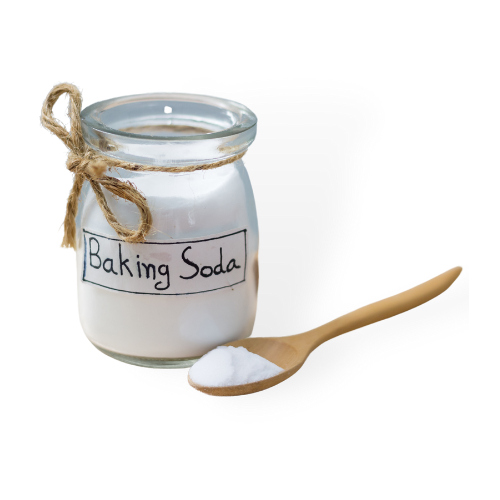
Baking soda in a jar with a wooden spoon

Baking Soda

Sodium bicarbonate has a pH level of 8.4-9.0.

Bicarb has many uses from cooking to cleaning. Its found in toothpaste for its teeth whitening properties and odour neutralizing.

Did you know if you add an acid to bicarb like lemon juice you will activate it?

Bleach and cloth

Bleach

Bleach has a pH level of between 11-13

Bleach is a strong alkaline which makes it corrosive. It works as a disinfectant and is great for cleaning.

Did you know if you mix crushed vitamin C tablets with shampoo it will safely and gently lighten your hair?

Neutralisation

When the 2 chemicals react we call it a neutralisation reaction as they neutralise each other.

Equation

The generic word equation for this is:

Acid + Alkali → Water + salt

Products

Water is always made. The name of the salt varies depending on the acid and alkali used.

Metals and Acids

When a metal reacts with an acid it produces a salt and hydrogen gas. The generic word equation for this is:

Metal + Acid → Salt + Hydrogen

Hydrogen Gas Test

The test for Hydrogen gas is placing a lit splint inside a test tube full of Hydrogen, it ignites making a squeaky pop sound.

Naming Salts

The alkali provides the metal for the first part of the salt's name. The acid provides the second half of the salt's name. The following acids always make these salts.
Hydrochloric acid → chloride salt
Sulfuric acid → sulfate salt
Nitric acid → Nitrate salt

When combining the two, we name our salt.
For example:
Calcium + Sulfuric acid → Calcium Sulfate + Hydrogen
Sodium hydroxide + Nitric acid → Sodium Nitrate + Water
Magnesium + Hydrochloric acid → Magnesium Chloride + Hydrogen

Pool with calcium sulphate

Lake Cornino in Italy

This lake contains the salt known as Calcium Sulphate (Gypsum) which causes the water to appear this turquoise colour.

We use Gypsum in fertilisers and plaster.

Check out some other amazing science topics!

Banner
Banner